
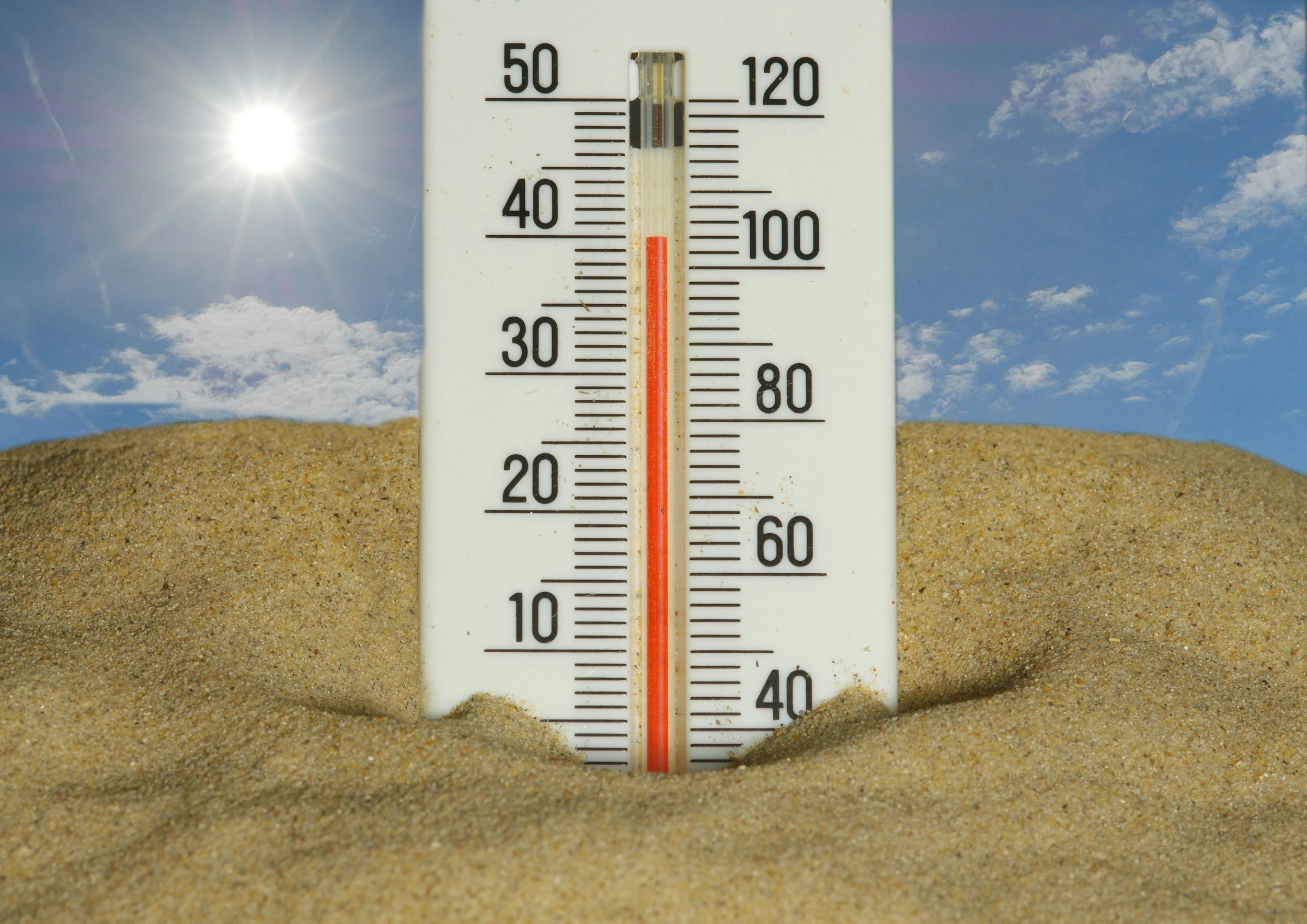
Summer is one of the busiest seasons for home improvement companies across Northern California. Homeowners are scheduling remodels, HVAC replacements, roofing projects, landscape upgrades, painting services, and outdoor renovations at a rapid pace.
Unfortunately, summer also brings extreme temperatures, wildfire risks, and safety challenges that can impact workers, jobsite productivity, project timelines, and overall profitability.
For contractors, heat safety is about more than compliance. It's about protecting employees, minimizing disruptions, reducing liability, and maintaining the level of service customers expect.
Here's how successful home improvement businesses prepare their teams for a safer and more productive summer season.
Why Summer Heat Is a Business Issue, Not Just a Safety Issue
When temperatures climb into the triple digits, contractors face more than physical discomfort on the jobsite.
Extreme heat can lead to:
Reduced worker productivity
Increased fatigue and mistakes
Higher risk of accidents and injuries
Project delays
Customer scheduling challenges
Workers' compensation claims
Equipment failures and downtime
Even one heat-related incident can disrupt a project, impact team morale, and create significant financial costs for a business.
The most successful contractors treat heat management as part of their operational strategy rather than simply a safety requirement.
Keep Hydration a Daily Priority
Dehydration can develop quickly during outdoor work, especially when employees are performing physically demanding tasks.
Contractors should:
Provide easy access to drinking water at every jobsite
Encourage workers to drink water throughout the day rather than waiting until they feel thirsty
Offer electrolyte replacement options during extreme heat events
Monitor new employees and those returning from time off, as they may be more susceptible to heat-related illness
Building hydration into daily routines helps crews stay energized, focused, and productive.
Dress for Performance and Protection
Proper clothing can significantly reduce heat stress.
Encourage crews to wear:
Lightweight, breathable fabrics
Light-colored clothing that reflects sunlight
Wide-brimmed hats when appropriate
UV-protective sunglasses
Sunscreen for prolonged outdoor exposure
The goal is to reduce heat absorption while maintaining the protection required for the work being performed.
Create a Heat Illness Prevention Plan
Every contractor should have a documented process for recognizing and responding to heat-related illness.
Train employees to recognize symptoms such as:
Heat Exhaustion
Excessive sweating
Dizziness
Headaches
Muscle cramps
Nausea
Fatigue
Heat Stroke
Confusion
Loss of consciousness
High body temperature
Hot, dry skin
When workers know how to identify warning signs early, potentially serious incidents can often be prevented.
Schedule Work Around Peak Heat Hours
One of the most effective ways to protect workers is to adjust work schedules.
Many contractors find success by:
Starting projects earlier in the morning
Scheduling physically demanding tasks before midday
Reserving indoor work for the hottest hours
Extending project timelines slightly during extreme heat events when necessary
Strategic scheduling often improves both safety and overall productivity.
Provide Shade and Recovery Areas
Regular recovery periods help prevent heat-related illness and maintain performance throughout the day.
Consider providing:
Pop-up shade structures
Portable canopies
Air-conditioned vehicles for cooling breaks
Designated rest areas
Short breaks taken proactively are far less disruptive than dealing with a medical emergency on the jobsite.
Protect Equipment and Vehicles From Extreme Temperatures
Summer heat affects more than people.
Contractors should also monitor:
Battery-powered tools
Air compressors
Generators
Fleet vehicles
Paint and chemical storage
Electronic equipment
Heat-related equipment failures can create costly downtime and unexpected project delays.
Implementing regular summer maintenance inspections can help prevent breakdowns before they occur.
Be Prepared for Wildfire Conditions
For Northern California contractors, wildfire awareness has become an essential part of doing business.
Companies should:
Monitor local fire activity and air quality conditions
Maintain defensible space around jobsites when possible
Remove dry vegetation and combustible debris
Keep fire extinguishers readily available
Train employees on emergency evacuation procedures
Wildfire preparedness protects both employees and customers while minimizing disruptions to project schedules.
Consider Fire-Resistant Building Materials
Contractors have a unique opportunity to educate homeowners about fire resilience.
Recommended options may include:
Class A fire-rated roofing systems
Dual-pane windows
Fire-resistant siding products
Ember-resistant vents
Fire-retardant-treated lumber
Helping homeowners make informed choices can provide long-term protection while positioning your company as a trusted advisor.
Stay Informed and Communicate Frequently
Weather conditions can change rapidly during summer months.
Contractors should establish a process for monitoring:
Heat advisories
Air quality alerts
Red Flag warnings
Wildfire activity
Severe weather conditions
Just as importantly, leadership should communicate updates clearly and consistently to field teams.
Proactive communication helps crews make safer decisions throughout the day.
Understand Your Compliance Responsibilities
Contractors must remain informed about applicable workplace safety requirements.
California's Heat Illness Prevention Standard requires employers to provide:
Access to drinking water
Access to shade
Rest and recovery opportunities
Employee training
Emergency response procedures
Compliance helps protect workers while reducing the risk of citations, penalties, and liability exposure.
Build a Safety-First Company Culture
The strongest safety programs begin with leadership.
Business owners and managers should:
Discuss safety during regular team meetings
Encourage employees to report unsafe conditions
Recognize safe work habits
Lead by example
Treat safety as a core company value
When safety becomes part of company culture, employees are more likely to look out for one another and make better decisions in the field.
What Contractors Should Remember
Heat safety directly impacts profitability and productivity.
Hydrated, well-rested crews perform better and make fewer mistakes.
Early scheduling can reduce heat exposure and improve efficiency.
Wildfire preparedness is increasingly important for Northern California contractors.
Equipment protection is just as important as worker protection.
Clear communication and training help prevent costly incidents.
A strong safety culture creates long-term business advantages.
Next Steps for Business Owners
1. Review Your Heat Illness Prevention Plan
Ensure policies are current, documented, and understood by all employees.
2. Conduct a Summer Safety Meeting
Review hydration expectations, warning signs, emergency procedures, and wildfire preparedness.
3. Evaluate Jobsite Resources
Confirm adequate water, shade structures, cooling areas, and first-aid supplies are available.
4. Adjust Scheduling Practices
Identify opportunities to move labor-intensive work to cooler portions of the day.
5. Inspect Equipment and Fleet Vehicles
Address maintenance concerns before extreme temperatures create downtime.
6. Monitor Local Conditions Daily
Assign responsibility for tracking weather alerts, air quality reports, and wildfire activity.
By taking these proactive steps, contractors can better protect their employees, maintain productivity, and keep projects moving throughout the summer season.
Ready to grow your business?
Let's discuss your goals, your market, and opportunities to help you reach more homeowners.
