
How to Stay Top of Mind Until Homeowners Are Ready to Buy
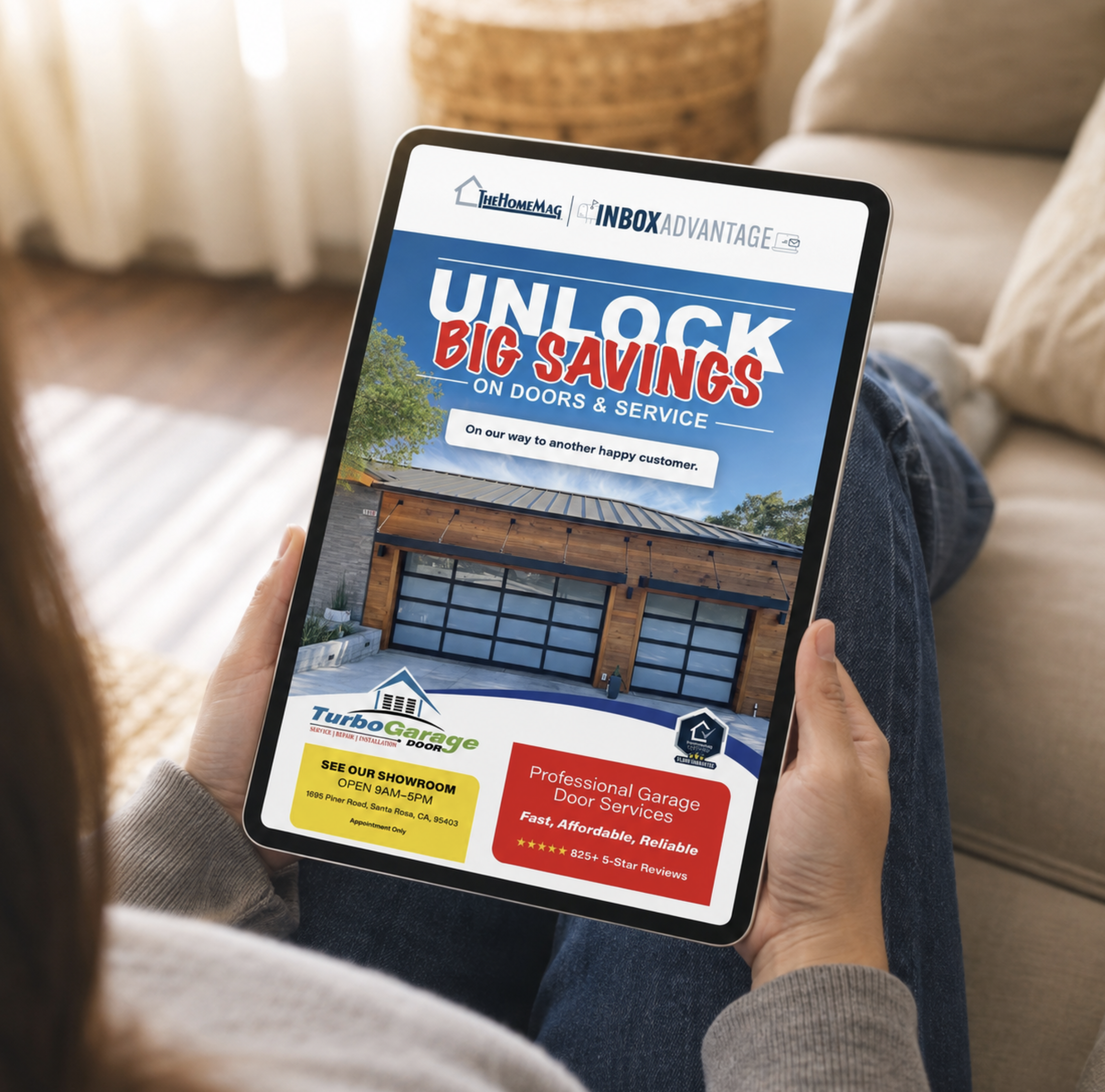
Generating homeowner awareness is one thing. Turning that awareness into an estimate, appointment, and eventually a customer is another.
That's an important distinction for home service businesses.
A homeowner may see your advertisement today but not need a roof, HVAC system, kitchen remodel, new windows, landscaping project, or other major home improvement for weeks or months. Even when a project is already being considered, homeowners may research multiple companies before deciding whom to contact.
That creates a challenge for contractors:
How do you remain relevant after the first marketing touchpoint but before the homeowner is ready to hire?
Email marketing can play an important role.
Used strategically, email isn't simply a tool for sending promotions. It can help contractors extend the life of their marketing, reinforce brand recognition, nurture homeowner interest, generate repeat business, and create additional opportunities for homeowners to take the next step.
But email works best when it's part of a larger customer acquisition strategy—not treated as a standalone tactic.
The Real Marketing Challenge: Staying Visible Until the Homeowner Is Ready
Home improvement purchases don't always happen on a contractor's preferred timeline.
A homeowner may notice an aging roof months before requesting estimates. Another may spend weeks researching a kitchen remodel. Someone considering replacement windows may compare products, financing options, reviews, warranties, and contractors before making a decision.
During that time, the contractor who originally caught the homeowner's attention can easily be forgotten.
That's why contractors should think beyond simply generating initial awareness.
A strong marketing strategy helps move homeowners through a journey that may look something like this:
Awareness → Recognition → Research → Trust → Consideration → Estimate → Decision
Email can help bridge several of those stages.
It gives your business another opportunity to appear in front of homeowners, reinforce what makes your company different, provide useful information, and create a clear path toward taking action.
What Email Marketing Can—and Can't—Do for Contractors
Email can be extremely useful, but it isn't a substitute for a complete marketing or sales strategy.
It won't fix poor customer service, an ineffective website, weak reviews, slow lead response, or an unclear value proposition.
What it can do is strengthen an already solid marketing system.
1. Keep Your Brand Top of Mind
Homeowners are exposed to many businesses competing for their attention.
Consistent, relevant communication can make your company more recognizable when a need becomes urgent or a homeowner finally decides to move forward.
The goal isn't to flood someone's inbox.
The goal is to create enough meaningful exposure that your business isn't a stranger when the homeowner is ready to call.
2. Nurture Homeowners Who Aren't Ready Today
One of the biggest mistakes in contractor marketing is assuming that someone who doesn't immediately request an estimate wasn't valuable.
Timing matters.
A homeowner interested in a $30,000 remodeling project may not make the same-day decision someone makes when purchasing a lower-cost consumer product.
Email gives contractors an opportunity to continue the relationship rather than abandoning potential future demand.
Useful content might answer questions about project planning, materials, maintenance, financing, seasonal considerations, timelines, warranties, or what homeowners should expect during the estimate process.
3. Generate More Value From Existing Marketing
Contractors spend significant money creating awareness through print, search, social media, direct mail, events, sponsorships, digital advertising, and other channels.
The question shouldn't only be:
"Did this advertisement immediately generate a lead?"
A better question is:
"How are we continuing the conversation with the homeowners our marketing reaches?"
When channels reinforce one another, the original marketing exposure has an opportunity to work harder.
A homeowner might first discover a contractor through print, later recognize the company's name in an email, visit the website, read reviews, and eventually request an estimate.
No single interaction necessarily deserves all the credit.
That's one reason sophisticated contractors increasingly need to evaluate the customer journey, not just the last click before an inquiry.
Email Can Support More Than New Customer Acquisition
Contractors often associate marketing primarily with finding new customers. But an existing customer database can also represent significant long-term value.
Depending on the business, email can support:
Repeat business. Past customers may need additional projects, upgrades, maintenance, or related services.
Referrals. Staying visible increases the chance that satisfied customers remember your company when friends or neighbors ask for a recommendation.
Seasonal demand. HVAC, roofing, landscaping, pest control, painting, and other categories can have natural seasonal opportunities.
Education. Helpful homeowner information reinforces expertise without requiring every message to contain a promotion.
Reactivation. Previous inquiries that didn't convert may become opportunities later as budgets, needs, or timing change.
This is where customer retention and acquisition begin to overlap.
A company that remains useful after the first interaction can create more value from relationships it has already worked—and paid—to establish.
Don't Confuse More Email With Better Email
Frequency alone isn't a strategy.
Contractors should resist the temptation to send something simply because they haven't emailed recently.
Before sending a campaign, ask:
Who is receiving this? Why should they care? What should they do next?
Strong contractor emails generally have one primary purpose.
That could be educating homeowners, highlighting a seasonal need, introducing a service, showcasing a completed project, answering a common question, promoting an offer, or encouraging an estimate request.
When an email tries to accomplish five objectives at once, the homeowner may do nothing.
Keep the next step clear.
If you want an estimate request, make that obvious.
If you want someone to explore project examples, direct them there.
If you're educating homeowners, don't force an aggressive sales pitch into the message.
Clarity makes it easier for homeowners to act.
Your Email Is Only as Strong as What Happens After the Click
This is where email marketing becomes a sales issue.
Imagine that your campaign succeeds. A homeowner clicks, visits your website, and submits an inquiry.
Then what?
If nobody responds until the following day, the website is difficult to navigate, the phone isn't answered, or the sales team doesn't have an organized follow-up process, improving the email campaign won't solve the larger problem.
Marketing and sales need to work as one customer acquisition system.
Contractors should examine:
Where each email directs homeowners
Whether landing pages match the message or offer
How easy it is to request an estimate
Who receives new inquiries
How quickly leads receive a response
How consistently unconverted opportunities are followed up
Whether marketing and sales teams can identify which campaigns are producing meaningful opportunities
A strong campaign doesn't end at the click.
It ends when the business has successfully moved the right homeowner toward becoming a customer.
Measure Business Outcomes, Not Just Email Metrics
Open and click rates can provide useful information, but neither pays the bills.
Contractor leadership teams should connect marketing activity to business outcomes whenever possible.
Depending on the campaign and systems available, useful measurements can include:
Website visits
Estimate requests
Phone calls
Form submissions
Qualified opportunities
Appointment rates
Sales conversion
Average project value
Customer acquisition cost
Repeat business
Revenue influenced by the campaign
Not every marketing channel will receive perfect attribution.
That's particularly true when homeowners encounter a company multiple times before taking action.
The objective is to develop enough visibility into the customer journey to make better investment decisions—not to force every sale into a single marketing bucket.
Build Trust Before Asking for the Sale
Homeowners aren't only evaluating what you sell.
They're evaluating whether they trust you to work on one of their largest investments: their home.
That makes educational email especially valuable for home service businesses.
A roofer can explain signs of roof deterioration.
An HVAC company can help homeowners understand system efficiency.
A remodeler can explain what affects project timelines.
A window company can educate homeowners about materials and installation.
A landscaper can discuss seasonal planning.
This type of communication does something a discount alone can't accomplish:
It demonstrates expertise before the sales conversation begins.
That can make future sales conversations easier because the contractor has already started establishing credibility.
Your Email Strategy Must Protect Your Brand
Every email represents your company.
Poor formatting, confusing offers, excessive frequency, irrelevant messaging, broken links, or an unprofessional mobile experience can undermine the reputation you're trying to build.
Contractors should also take email compliance and list management seriously. Commercial email requirements can vary depending on where recipients are located and how data was collected. Businesses should understand applicable requirements, honor unsubscribe requests, accurately identify senders, and maintain responsible list-management practices.
When necessary, seek qualified guidance regarding the rules that apply to your business and audience.
The broader business principle is simple:
Access to someone's inbox should be treated as a privilege, not an entitlement.
Where Multichannel Marketing Becomes Powerful
Email becomes even more valuable when homeowners recognize the business before opening the message.
This is where contractors should think beyond individual channels.
A homeowner might:
See your company in a trusted publication.
Recognize your name in an email.
Search for your company online.
Read your reviews.
Visit your website.
See your advertising again.
Finally request an estimate.
Those interactions aren't competing with one another. They're reinforcing one another.
For established home service companies, the goal should be to create a coordinated presence across the places homeowners research, consume information, and make decisions.
That is fundamentally different from buying disconnected advertising tactics and hoping each one independently produces immediate leads.
Scaling Requires Systems, Not More Work for the Owner
At a certain stage of growth, the owner can't personally manage every marketing activity.
That's especially true for businesses approaching several million dollars in annual revenue and attempting to reach the next level.
Growth requires repeatable systems.
Your organization should know:
Who you're trying to reach.
Which services you're prioritizing.
What differentiates your company.
Which channels support those objectives.
How leads move from marketing to sales.
What happens to opportunities that aren't ready immediately.
How results are measured.
And who owns each step.
Email can be one part of that system.
The strategic question isn't "Should we send emails?"
It's:
"How does email help our company acquire, nurture, convert, and retain the right customers?"
Answer that question first, and the tactics become much easier to evaluate.
What Contractors Should Remember
Email marketing works best when it supports a larger growth strategy rather than operating as an isolated promotional channel.
Contractors should remember:
Not every homeowner is ready to buy when they first encounter your company. Marketing needs to account for the time between awareness and action.
Repeated visibility can strengthen recognition. Email provides another opportunity to remain present during the homeowner's decision process.
Education can be as valuable as promotion. Helping homeowners make informed decisions builds credibility.
Marketing and sales must connect. Generating clicks without an effective lead-response and follow-up process leaves revenue on the table.
Measure what matters to the business. Opens and clicks are useful indicators, but qualified leads, appointments, customers and revenue are ultimately more important.
Think in terms of customer journeys, not isolated channels. Print, email, digital, search, reviews and your sales process can reinforce one another.
Scalable growth requires systems. The objective is not to give the owner another marketing job. It's to build a repeatable customer acquisition engine.
Next Steps for Business Owners
Before investing more money into email—or any marketing channel—review your existing customer acquisition process.
Start by asking your leadership team five questions:
What happens to homeowners who encounter our brand but aren't ready for an estimate yet?
Are our marketing channels reinforcing one another or operating independently?
How quickly and consistently does our team follow up with new opportunities?
Are we providing useful reasons for homeowners and past customers to continue engaging with us?
Can we connect our marketing activity to qualified opportunities, customers and revenue?
Your answers will reveal whether you simply need another marketing tactic—or whether you need a stronger system connecting awareness, nurturing, sales and retention.
How TheHomeMag Fits Into the Strategy
TheHomeMag works with established home service companies to help them build visibility and connect with homeowners through multiple marketing touchpoints.
For businesses that want to complement their print presence with email, Inbox Advantage provides an additional way to put a contractor's message in front of TheHomeMag's homeowner audience. THM Media manages campaign development, including audience targeting, design, copy and campaign execution.
The objective isn't simply to send another email.
It's to help create a more connected marketing presence so homeowners have additional opportunities to recognize, engage with, and ultimately contact your business.
Ready to Evaluate Your Marketing Strategy?
If you're investing in growth but aren't sure whether your print, email, digital marketing and sales follow-up are working together effectively, a broader conversation can help identify the gaps.
Schedule a Marketing Strategy Conversation with a representative to discuss your growth goals, target customers and current marketing approach—and explore opportunities to create a stronger path from homeowner awareness to customer acquisition.
Not ready for a conversation yet?
Request additional information from TheHomeMag to learn more about available marketing opportunities, including Inbox Advantage, and subscribe to receive future contractor-focused insights on lead generation, homeowner behavior, marketing performance, sales effectiveness and business growth.
Let us take care of it for you, with Inbox Advantage, so you can stay focused on what you do best: running your business. Just email Marketing@TheHomeMagNNV.com, or call (866) 934-6115, or fill out this quick form for access to our specials & more information!
