
Repair or Replace? How to Make the Right Call on Your Roof
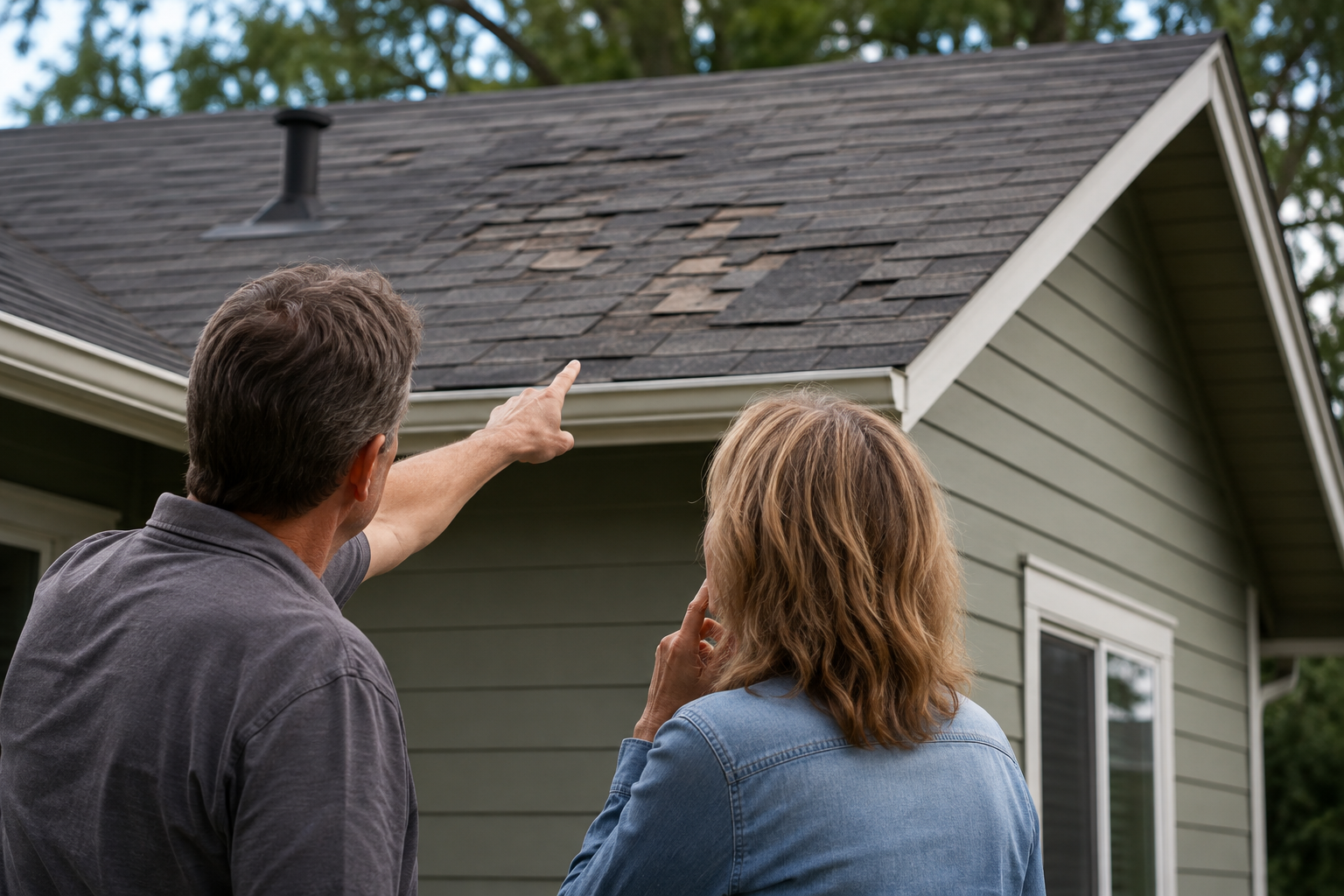
A damaged roof doesn’t automatically need replacing. Here’s how to evaluate its condition, remaining life, and your priorities before deciding what makes sense for your Northern Nevada home.
Northern Nevada Homeowner Decision Guide
Northern Nevada roofs deal with a demanding combination of intense sun, strong winds, freezing temperatures, snow, and large temperature swings. Eventually, nearly every homeowner will face the same question:
Do I repair the roof—or is it time to replace it?
There isn't a universal answer.
A few damaged shingles or cracked tiles may be a relatively straightforward repair. But recurring leaks, widespread deterioration, or problems beneath the visible roofing material can change the equation.
The goal isn't to find a magic age or repair-cost threshold. It's to understand the condition of the entire roofing system and make the decision that makes sense for your home and your plans.
Start With the Problem: Is It Isolated or Widespread?
This is one of the most useful distinctions you can make.
Suppose a windstorm damages several shingles on an otherwise healthy roof. That's very different from finding curled, cracked, or deteriorated shingles across multiple roof slopes.
The same applies to tile.
One cracked concrete or clay tile doesn't necessarily mean the roof is failing. Numerous cracked or displaced tiles—or recurring problems in different areas—tell a different story.
Ask yourself:
Is the damage confined to one small area?
Does the rest of the roof appear to be in good condition?
Did something specific cause the damage, such as wind or a fallen branch?
Is this the first problem you've experienced?
Or are problems beginning to appear in several locations?
An isolated problem may point toward repair. Widespread deterioration makes the condition of the entire roofing system much more important.
Next, Consider the Roof's Age
Roof age matters, but don't let a number make the decision for you.
Different roofing materials have different potential lifespans, and actual service life depends on installation quality, maintenance, ventilation, material quality, exposure, and weather.
Northern Nevada adds another factor: high-desert conditions can be tough on exterior building materials.
Strong ultraviolet exposure can age some roofing materials. Freeze-thaw cycles can worsen existing cracks. Wind can loosen or damage roofing components. Snow and ice can expose weaknesses that aren't obvious during warmer months.
Instead of simply asking:
How old is my roof?
Ask:
How much useful life might the rest of my roof have?
A relatively young roof with one repairable problem may have many useful years remaining.
An older roof experiencing repeated problems deserves a broader evaluation.
Homeowner Tip: If you don't know when your roof was installed, check your home-purchase documents, previous invoices, permit records, or ask a roofing professional whether the roofing materials provide clues about its approximate age.
Understand What's Actually Failing
A roof leak doesn't necessarily mean the roofing material itself has failed.
Leaks can originate around:
Flashing
Plumbing vents
Chimneys
Skylights
Valleys
Roof penetrations
Individual damaged shingles or tiles
That's an important distinction.
Repairing failed flashing around a roof penetration is very different from trying to repair roofing material that is deteriorating across the entire home.
There are also components you can't easily see.
Tile roofs are a good example. Clay or concrete tiles may still look perfectly serviceable while the underlayment beneath them has deteriorated.
Water intrusion can also damage the roof decking underneath asphalt shingles, metal panels, or other roofing materials.
That's why identifying where the problem is isn't enough.
You also want to understand why it happened and what condition the surrounding roofing system is in.
Your Roofing Material Changes the Equation
Different roofs age differently.
Asphalt Shingles
An isolated missing or damaged shingle may be repairable when the surrounding roof remains in good condition.
Look at the bigger picture when deterioration appears across multiple areas.
Widespread curling, cracking, granule loss, brittle shingles, or repeated failures may indicate that you're no longer dealing with a single isolated problem.
Northern Nevada's intense sunshine can also cause different roof slopes to age at different rates, particularly areas receiving strong afternoon sun.
Clay and Concrete Tile
Tile can have a long service life, but the visible tile isn't the entire roofing system.
A few broken or displaced tiles may be repairable.
More widespread damage—or deterioration of the underlayment, flashing, or other components beneath the tile—requires a different conversation.
Freeze-thaw cycles are also worth considering. Moisture entering an existing crack can freeze and expand, making damaged tiles worse over time.
Metal Roofing
A problem involving a fastener, sealant, flashing, or isolated panel doesn't automatically mean the metal roof needs replacement.
Look at whether the issue is localized or part of a broader pattern.
Widespread corrosion, failing seams, repeated leaks, lifted panels, or problems with the underlying roof assembly deserve a more comprehensive evaluation.
Regardless of material, remember:
Don't judge the entire roof by one damaged component—and don't judge one damaged component without considering the condition of the entire roof.
Repair Cost Isn't the Only Cost That Matters
A repair will usually cost less than replacement today.
But today's invoice isn't the only consideration.
Ask:
How much useful life might this repair preserve?
Have I already repaired other sections recently?
Are problems becoming more frequent?
Is the rest of the roof still performing well?
Would money spent repairing the roof today meaningfully postpone replacement?
A repair that gives an otherwise healthy roof several additional years of service may make excellent financial sense.
Repeatedly repairing different parts of a deteriorating roof can present a different equation.
Neither answer is automatically right.
The important question is:
What am I getting for the money I'm spending today?
Think About How Long You Plan to Own the Home
Your plans should be part of the decision.
If you expect to remain in your home for another 15 or 20 years, you may place greater importance on longevity, maintenance, energy performance, appearance, and reducing the likelihood of repeated repairs.
If you're considering moving within several years, you may evaluate those factors differently.
That doesn't automatically mean repair is better for someone planning to move—or replacement is better for someone staying.
Instead, ask:
Will the condition of this roof likely become something I need to address while I own this home?
That puts the decision into the context that matters most: your situation.
Northern Nevada Conditions Matter
A generic roofing recommendation doesn't always account for life in Reno, Sparks, Carson City, and surrounding communities.
Roofs here may contend with:
Intense high-altitude sunlight
Hot summer roof temperatures
Freezing winter temperatures
Freeze-thaw cycles
Strong seasonal winds
Snow and ice
Rapid temperature changes
Exposure also varies considerably from home to home.
One roof may receive intense afternoon sun with little shade. Another may experience stronger wind exposure. Homes at different elevations can experience significantly different snow conditions.
Even different slopes on the same house can age differently.
That's why roof age alone shouldn't determine your decision.
Actual condition matters more than the calendar.
Questions to Ask Yourself Before Deciding
Before deciding between repair and replacement, write down what you know.
Ask yourself:
How old is my roof?
What roofing material do I have?
Is the problem isolated or widespread?
Was the damage caused by a specific event?
Is this my first repair?
Have similar problems happened before?
Does the rest of the roof appear healthy?
Is water getting inside?
Is the problem with the visible roofing material or another component?
How long do I expect to own this home?
What matters most to me: immediate cost, long-term reliability, appearance, maintenance, or something else?
You don't need to know every answer.
Identifying what you don't know is part of making an informed decision.
Common Mistakes to Avoid
Assuming a leak means you need a new roof.
Localized failures can sometimes be repaired without replacing an otherwise healthy roofing system.
Assuming repair is automatically the better value.
The lower immediate price doesn't tell you how much useful roof life you're purchasing.
Replacing a roof solely because it reached a certain age.
Age provides context. Condition tells you considerably more.
Looking only at the visible roofing material.
Underlayment, flashing, decking, fasteners, sealants, and other components matter too.
Ignoring recurring problems.
One repair may be an isolated event. Several unrelated repairs over a relatively short period may indicate a broader issue worth evaluating.
Waiting because the leak seems small.
Whatever you ultimately decide, active water intrusion deserves attention before it causes additional damage.
Before You Make Your Decision
Use this quick self-check:
✓ Do I understand what's actually causing the problem?
✓ Do I know whether the damage is isolated or widespread?
✓ Do I know the approximate age and overall condition of my roof?
✓ Have I considered components beneath and around the visible roofing material?
✓ Do I understand how much useful life a repair might realistically preserve?
✓ Are repairs becoming a pattern?
✓ Have I considered Northern Nevada's sun, wind, snow, and freeze-thaw conditions?
✓ Have I thought about how long I plan to own the home?
✓ Am I considering long-term value as well as today's cost?
If several answers are still "I don't know," don't guess.
Those are the questions you need answered before making your decision.
✓ Homeowner Decision Guide Complete
Today you learned how to:
Distinguish an isolated roofing problem from broader deterioration.
Consider roof age without allowing age alone to make the decision.
Understand why the visible roofing material may not be the actual problem.
Evaluate a repair based on the useful roof life it may preserve.
Account for Northern Nevada's demanding climate.
Consider your ownership plans and priorities.
Identify the information you still need before choosing repair or replacement.
There isn't one correct answer to repair or replace.
There is an informed answer for your roof, your home, and your plans.
Have More Questions?
Here are several trusted resources that can help you continue your research:
National Roofing Contractors Association (NRCA) — Consumer Resources: Homeowner education about roofing systems, maintenance, materials, repairs, and working with roofing professionals.
Insurance Institute for Business & Home Safety (IBHS): Research and homeowner guidance about roof performance and protecting homes from severe weather.
U.S. Department of Energy — Energy Saver: Information about roofing, attic insulation, ventilation, and energy efficiency.
Nevada State Contractors Board: Consumer information about working with licensed contractors and planning home improvement projects.
About This Homeowner Decision Guide
This guide is intended for general homeowner education. Every roof and home is different. A qualified roofing professional can evaluate conditions that cannot safely or reliably be assessed from the ground and provide recommendations specific to your home.
